
This week. Investors are doubling down on grocery-anchored shopping centers and prime downtown spots where space is tight. Meanwhile, expensive restaurants are using bankruptcy to rewrite high-rent leases, while discount stores and wellness brands jump on suburban vacancies. The big takeaway? If a property is in a great location and bringing in steady cash, it gets funded. If a business is sitting on too much expensive space, it’s in trouble.
IV Drips Are Taking Over Strip Malls
Wellness · Suburban Retail
IV clinics are spreading at fast-food speed. Prime IV opened 53 shops in twelve months, reaching 208 locations while sales jumped 41%. They lease 800 to 2,500 square feet in rich suburbs, mostly beside gyms. Location changes everything here. A typical unit does $480,000 annually, but top performers pull in $3.2 million.
Why it matters
- Memberships keep money flowing. Subscribers pay monthly dues. Placing clinics near workout studios feeds them clients who already spend on their bodies.
- Real estate makes or breaks the store. Top units make nearly seven times more than average ones. Wealthy neighborhoods, street visibility, and quick parking drive those big numbers.
- Small boxes find steady payers. These tenants fill tiny strip mall spots that clothing brands ignore. They also bring shoppers into the center on quiet weekday mornings.
- Medical buildouts take extra planning. Rooms require sinks, cold storage, and city health approvals. Landlords and tenants must define construction costs early to prevent costly delays.
Source: MyTraffic
Investors Want Retail Centers, But Nobody Is Selling
Capital Markets · Retail
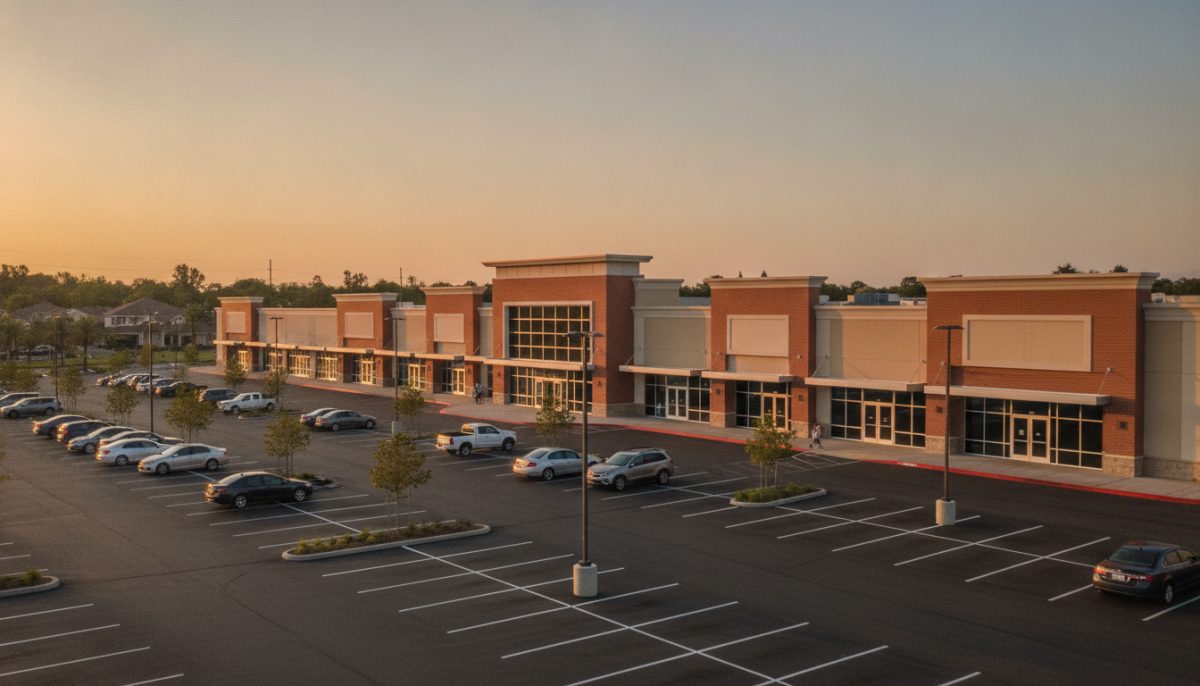
Big funds have cash ready for retail centers, but properties are hard to find. Asking rents rose 2.2% year-over-year to $25.65 per square foot as vacancy stays near zero. New construction accounts for less than 0.3% of total space, leaving tenants with few options. Even so, first-half sales rose 14% to $33 billion, the best start since 2022. Relief may come in 2026, when $875 billion in maturing property debt could finally push owners to market.
Why it matters
- Building has basically stopped. New construction sits below 0.3% of total retail stock. Tenants who want to grow have to outbid existing shops just to get a footprint.
- Landlords hold pricing power. Average asking rents reached $25.65 a square foot. With nowhere else for brands to go, owners can keep pushing rates up.
- Coming loan deadlines will shake centers loose. About $875 billion in commercial mortgages come due in 2026. Higher refinance costs will force some owners to sell rather than take on new debt.
- Buyers spent $33 billion anyway. Deal activity grew 14% through June. Investors want retail because the space is full and stores are generating cash.
Source: Shopping Center Business
Phillips Edison Sets a Record With a $69M Oviedo Deal
Acquisitions · Florida
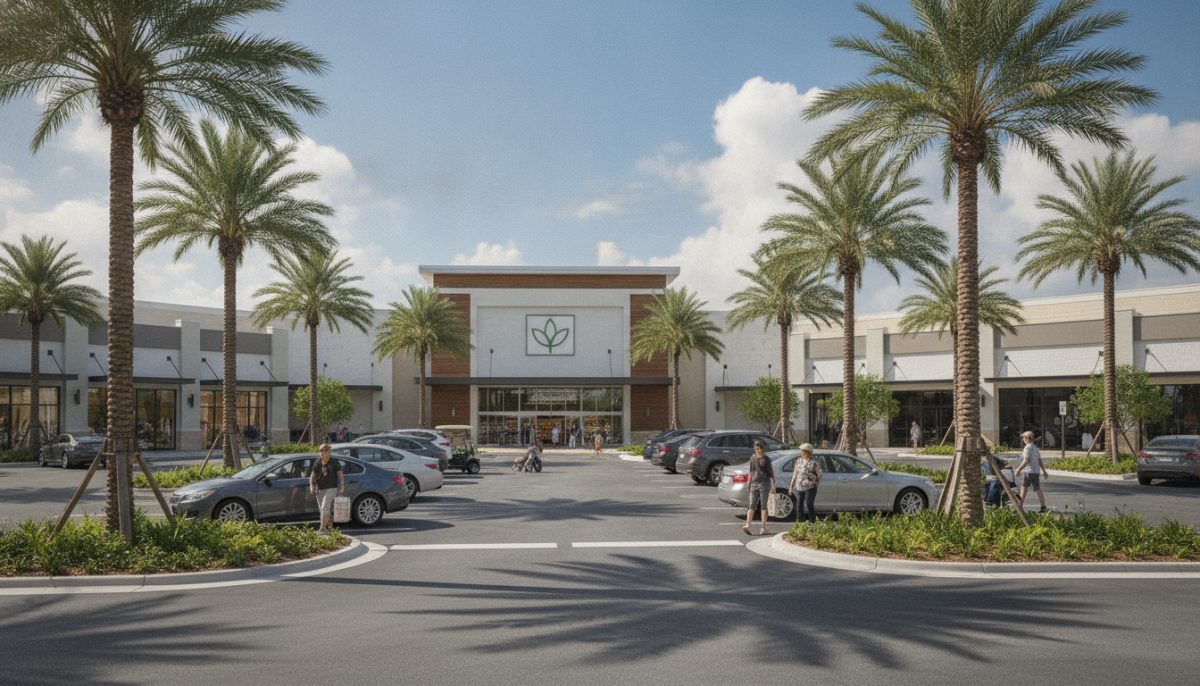
Phillips Edison & Co. bought Alafaya Square in Oviedo, Florida, for $69.1 million. The 168,532-square-foot site sits on 21 acres and is anchored by a Publix built in 1987. Sellers MCB Real Estate and an institutional partner hired JLL to close the trade. At 96% full with Planet Fitness and IHOP, this marks the priciest single-asset retail sale in Seminole County history.
Why it matters
- Grocers still pull the biggest checks. Big buyers pay heavy premiums for Florida supermarkets with steady foot traffic. Being right by the University of Central Florida guarantees daily shoppers.
- A packed strip leaves little room for error. At 96% leased, an owner cannot just fill empty storefronts to grow income. Gains have to come from raising rents when small shop leases expire.
- Giant landlords keep swallowing supply. Phillips Edison now controls over 300 locations totaling nearly 34 million square feet. That size gives public REITs real power during lease talks.
- Orlando suburbs draw national money. New residents continue to flood into Central Florida towns. Capital chases plazas where neighbors show up every week for food and essentials.
Source: Commercial Property Executive
Planet Fitness Brings a Jersey City Strip to 100%
Fitness · New Jersey
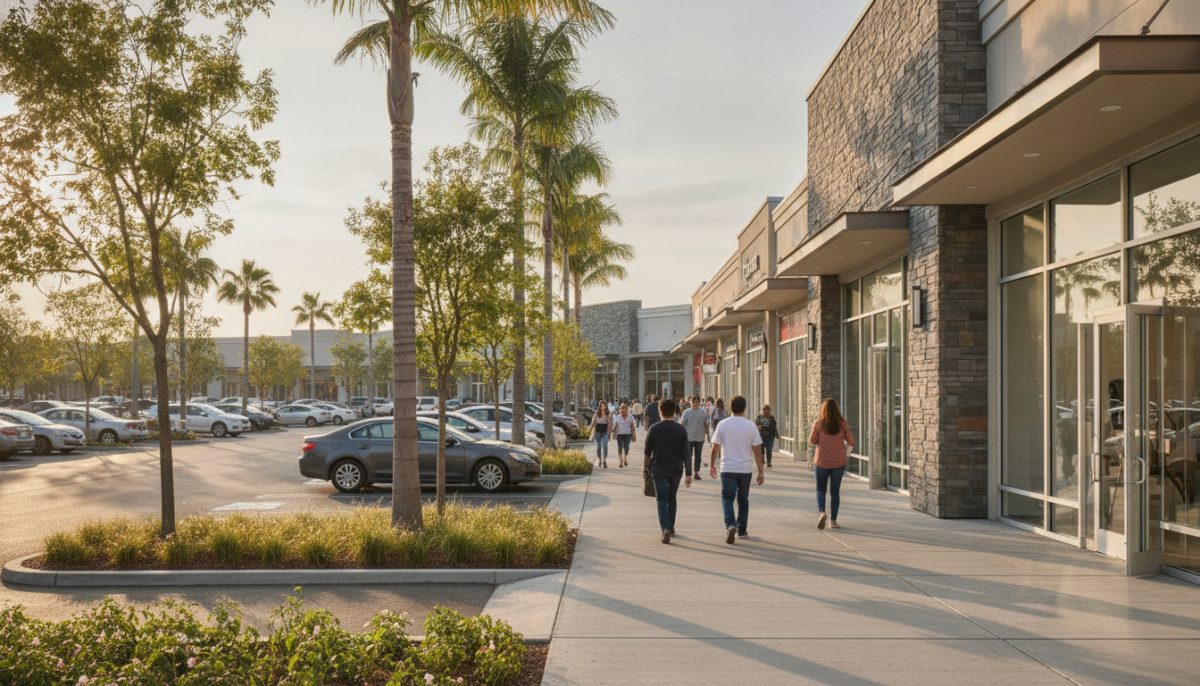
Planet Fitness took 16,000 square feet at Twin City Shopping Center in Jersey City. The deal fills the 95,000-square-foot strip, bringing it to full occupancy. Levin Management Corporation worked the deal for the landlord, and RIPCO repped the gym. The property sits right off the Turnpike on the Bayonne border and gets 2.8 million visits a year, based on Placer.ai data. The owner recently spent money to update the storefronts, which helped land indoor pickleball, a kids park, and now the gym.
Why it matters
- Cheap gym memberships pack parking lots. A low-cost gym gets people to visit three or four times a week. Put one next to a grocery store, and you get steady cars all day long.
- Fix up the center first, and brands will come. The owner updated the facades, signs, and lighting before chasing a big deal. Clean buildings make signing national chains a lot easier.
- Activity spots beat online shopping. Planet Fitness joins an indoor pickleball club and a kids play center. You cannot work out or play pickleball on Amazon, so people have to show up in person.
- Highway exits feed local strips. The center sits right at Turnpike Exit 14A between two crowded towns. Direct off-ramp access helps a mid-sized center pull almost 3 million visits a year.
Source: New York Real Estate Journal
Ross Opens 51 Stores in Two Months to Hit Its Yearly Target
Off-Price · Retail Growth
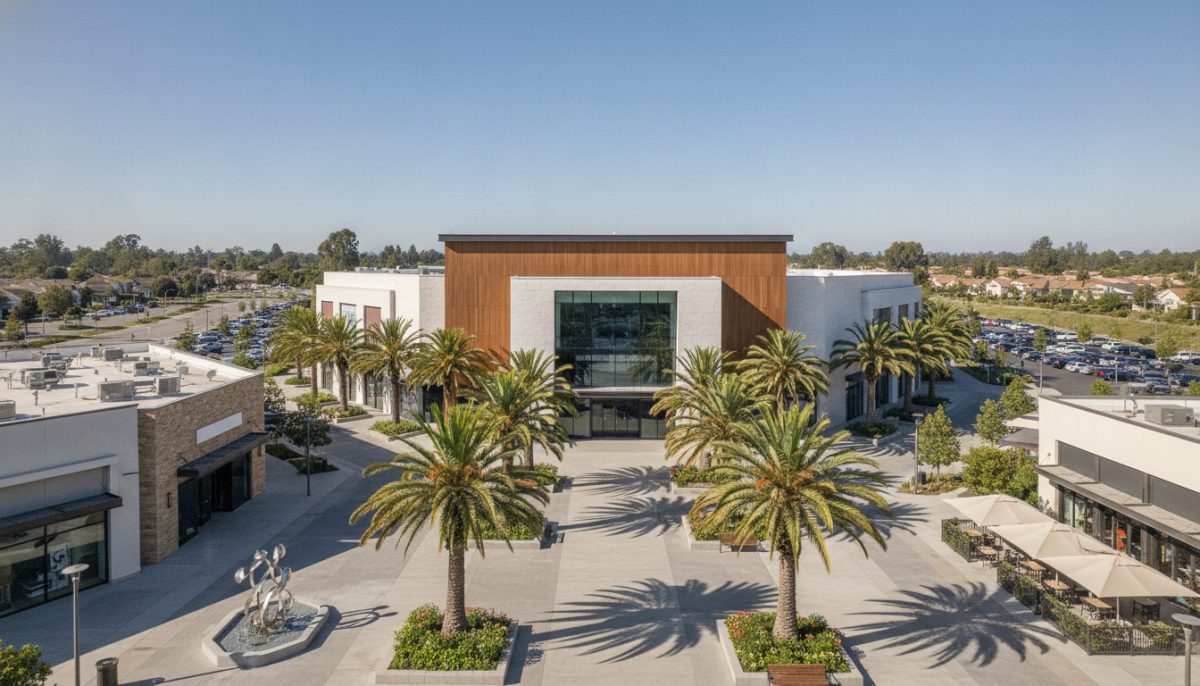
Ross Stores hit its growth goal after opening 51 stores in September and October. The push covered 17 states, adding 41 Ross Dress for Less shops and 10 dd's DISCOUNTS locations. That brought total additions to 115 for the year. The company now runs 2,377 stores across 45 states, D.C., Puerto Rico and Guam. Value retailers like this remain the top choice to take over empty mid-size boxes.
Why it matters
- Empty retail boxes get a fast replacement. When older department stores or pharmacies close, Ross moves right in. Their steady foot traffic keeps the rest of the shopping center alive.
- Bargain hunting still works best in person. Shoppers want to dig through racks to find good deals, which does not work well on a phone. That habit keeps parking lots full in good times and bad.
- Banks trust national corporate credit. Ross signs long leases and pays rent on time. Having that kind of tenant makes it much easier for a landlord to get a loan.
- Two store brands mean more places to grow. Ross works well in middle-income suburbs, while dd's DISCOUNTS fits lower-income city neighborhoods. Running both lets the company take real estate other chains pass up.
Source: Shopping Center Business
Supermarket trips happen weekly. Studio classes happen daily.
Fitness · Florida
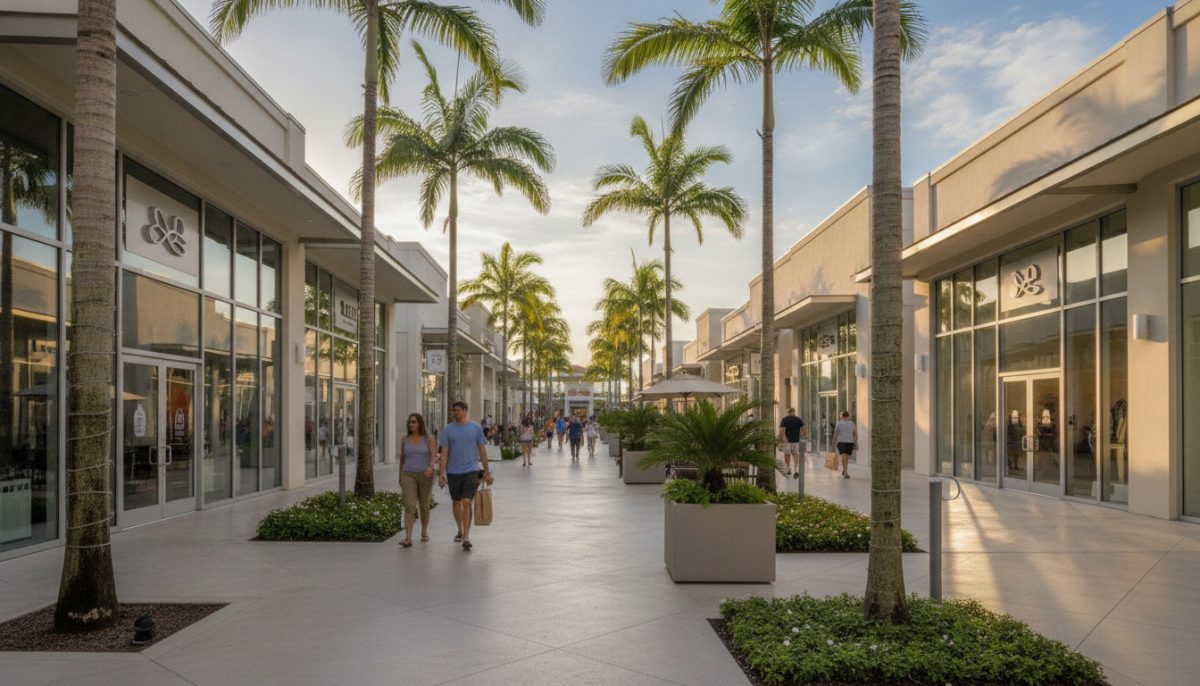
Graphite Real Estate leased 2,800 square feet to HILI Fitness at the Shoppes of Sweetwater in Longwood, Florida. The Maitland workout brand opens in early 2027. That marks its tenth Florida spot and twelfth club total. Graphite bought the 64,253-square-foot Publix center in April for $14.65 million at 94% occupancy. CrossMarc Services handled the deal for ownership.
Why it matters
- Food shoppers come once. Members return often. Families run errands over the weekend. A quick workout brings people back three mornings a week to spend money next door.
- The last empty storefront pays immediate dividends. Graphite bought the strip almost full. Signing this unit boosts cash flow before older leases reset higher.
- Smaller boxes spare the parking field. Giant gyms swallow stalls all day. An inline studio shares blacktop easily with retail neighbors.
- Regional groups sign while national brands stall. Big corporate chains get bogged down in committee. Growing operators move quickly, require smaller tenant packages, and start paying rent.
Source: Orlando Business Journal
11North Buys Two Maui Centers for $155M With $96M From PNC
Portfolio Sale · Hawaii
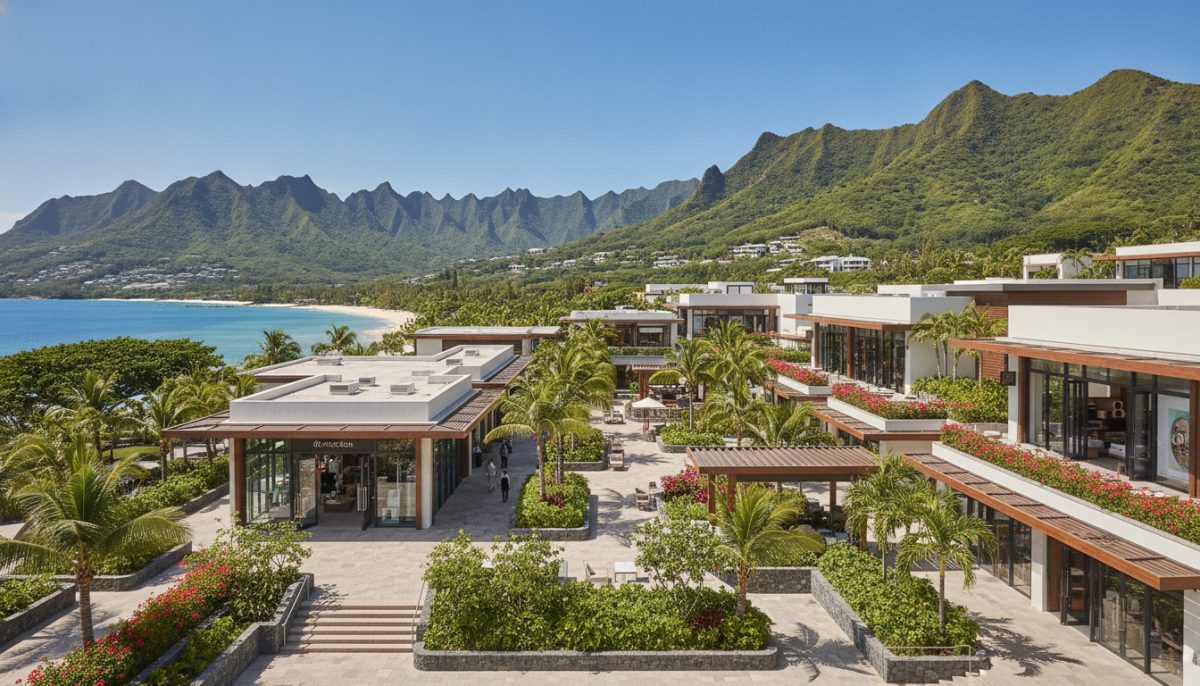
An affiliate of U.S. Realty Partners sold two Lahaina retail centers to 11North Partners for $155 million. The deal covers Lahaina Cannery, a 145,839-square-foot center over 95% leased to Safeway and Longs Drugs, and Lahaina Gateway, a 136,045-square-foot property anchored by Ross and Ace Hardware. Northmarq brokered the sale with Hawaii Commercial Real Estate and secured a $96 million acquisition loan from PNC Bank.
Why it matters
- You cannot easily build new competition on Maui. Land is limited and zoning rules are strict. That keeps existing centers full and prevents new strip malls from popping up down the road.
- Big banks still write checks for daily needs. PNC funded 62% of the purchase price. Lenders stay comfortable when grocery stores and pharmacies anchor the rent roll.
- High occupancy means immediate cash flow. Lahaina Cannery is over 95% full. The buyer takes over steady checks on day one instead of spending months chasing new tenants.
- 11North takes the driver seat in West Maui retail. Buying both centers hands one landlord control over the primary retail hubs in town. Locals and visitors have few other places to shop.
Source: Shopping Center Business
Prudential Puts $50M Into an Affluent Kansas City Center
Refinancing · Midwest
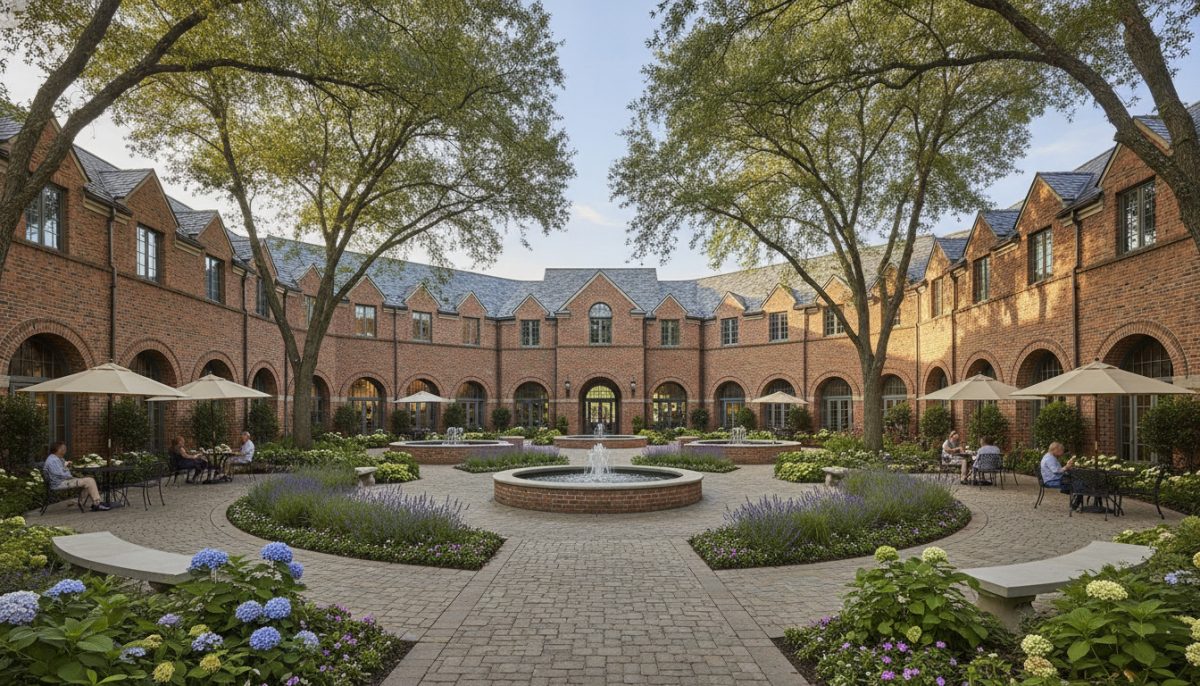
First Washington Realty landed a $50 million loan from Prudential Financial to refinance The Shops of Prairie Village. The asset spans 10 buildings and nearly 300,000 square feet, about 10 miles outside downtown Kansas City. The new debt pays off a maturing $28.5 million note from 2015. Local asking rents rose 70 basis points over the past year to $15.60 per square foot. Strong suburban centers are still winning institutional money.
Why it matters
- Lenders like wealthy neighborhoods. Households within five miles make over $111,000 a year on average. Low risk earns borrowers better terms.
- Midwest strip rents keep rising. Kansas City retail asking rents moved up 70 basis points year-over-year. Almost zero new construction keeps existing centers full.
- First Washington builds regional scale. The landlord also recently bought Liberty Corners nearby. Owning multiple properties in one market makes management cheaper and easier.
- Quality retail still finds debt. Owners facing loan deadlines have to refinance in a higher rate world. Top-tier suburban centers are having no trouble finding willing life companies.
Source: Commercial Property Executive
Get the Retail Report every week. Subscribe at sabre.life/news.