This week. 514 Children’s Place leases hit the auction block. Moncler plants a flag on Fifth. A 41,000-square-foot gym replaces grocery as a ground-up retail anchor. Plus: an indoor slide park climbs to the fourth floor in Rockland County, premier malls hike starting rents 17%, Craveworthy drops chicken wings into 70 Papa Gino’s kitchens, and Nuveen drops $445.5 million on open-air retail.
The Children’s Place Hits the Auction Block
Bankruptcy · Mall Retail
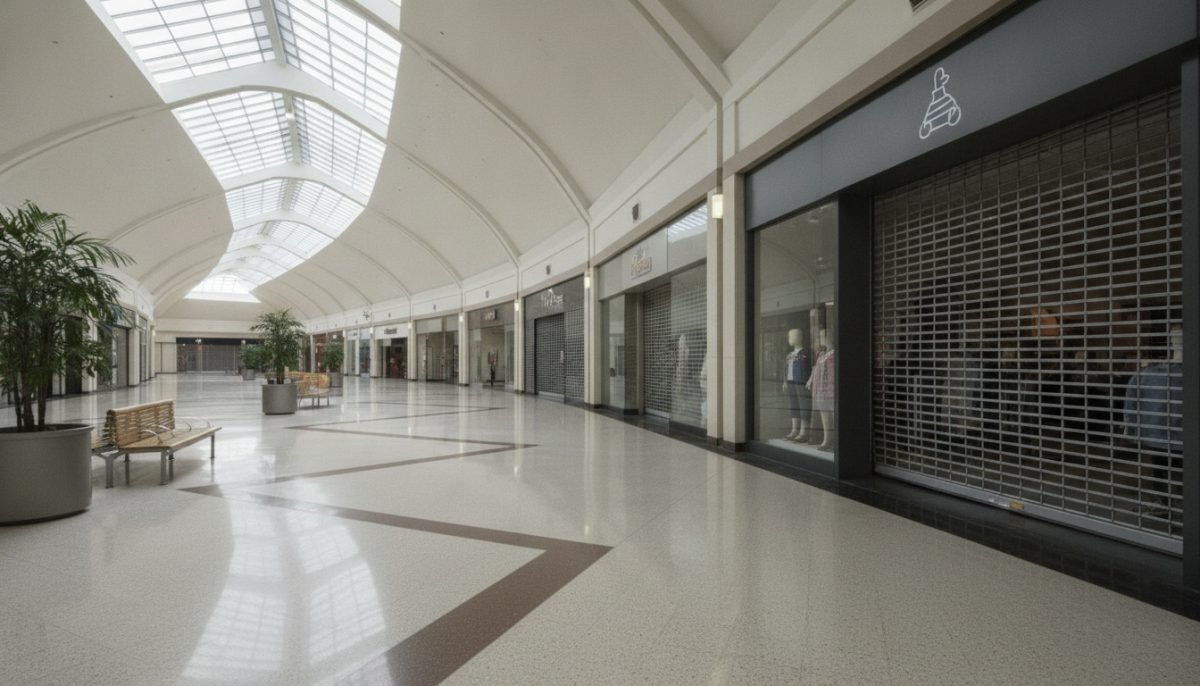
Carrying $881 million in debt, The Children’s Place filed for Chapter 11 and put 514 stores up for grabs. Closing more than 600 locations since 2014 slowed the bleeding, yet cutting overhead couldn't outrun falling sales. Mall landlords should brace for sudden vacancies if liquidators outbid going-concern buyers.
Why it matters
- Liquidation is a live threat If liquidators outbid going-concern buyers, mall landlords face sudden vacancies and immediate co-tenancy defaults across regional centers.
- Footprint cuts aren't a turnaround plan: Shrinking a fleet only delays distress when core product demand is eroding.
- Secondary malls will feel the squeeze: Small-format mall boxes are notoriously tough to backfill in B- and C-tier centers where apparel demand is already thin.
Source: Bisnow
Moncler Claims Prime Midtown Real Estate
Luxury Retail · Manhattan
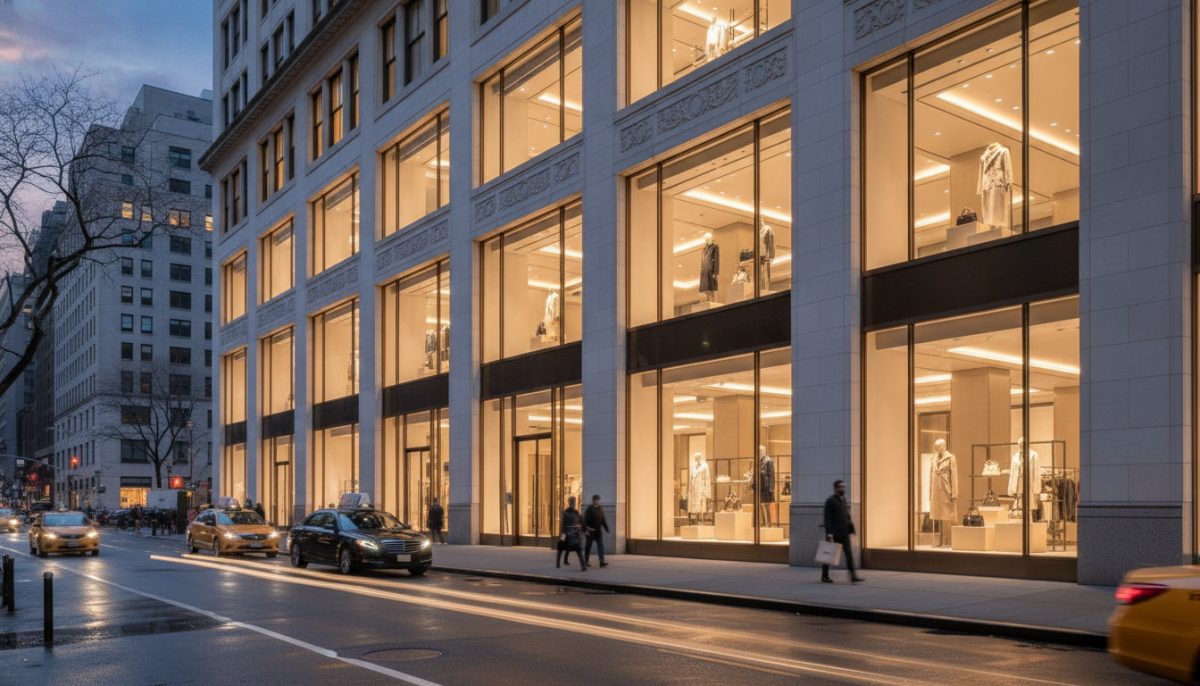
Moncler just opened a flagship inside the iconic former FAO Schwarz space on Fifth Avenue, joining neighbors Dior, Louis Vuitton, and Prada. While the Americas account for nearly 30% of global luxury spending, they represent only 20% of European houses' revenue—a gap top brands are aggressively closing with trophy real estate.
Why it matters
- Scarcity beats a soft quarter: Generational storefronts on Fifth Avenue rarely trade. When a marquee corner opens, luxury houses lock it down regardless of short-term spending dips.
- Flagships are acting like private clubs: Brands are sacrificing pure rack space for VIP suites and upstairs bars to keep high-net-worth spenders lingering longer.
- The U.S. runway is still long: European groups view permanent, high-visibility anchors as essential infrastructure to capture their fair share of American luxury buyers.
Source: CRE Daily
Fitness Steps Into the Grocery Anchor Spot
FITNESS & WELLNESS • DEVELOPMENT
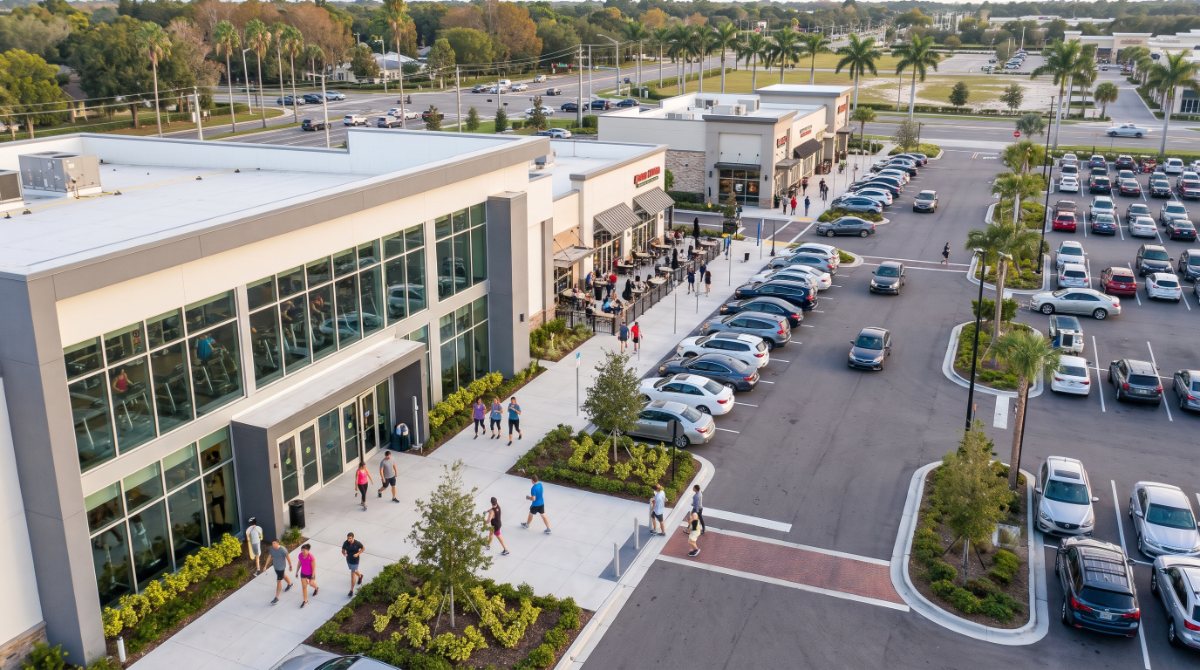
Evergreen Development just broke ground on Black Mountain Marketplace, a 13.3-acre neighborhood center in metro Phoenix anchored by a 41,337-square-foot Mountainside Fitness. With seven surrounding outparcels slated for dining and services, developers are increasingly underwriting major fitness clubs as the primary foot-traffic engine for new open-air retail.
Why it matters
- High-frequency visits rival grocery: Unlike weekend-only retail, a 40,000+ sq. ft. fitness club drives three to five member visits a week—giving neighboring QSR and service tenants steady, predictable weekday traffic.
- Fitness founders have anchor leverage: As ground-up grocery deals slow down due to tight margins and construction costs, proven wellness operators are stepping into the anchor seat with stronger co-tenancy and lease terms.
- Outparcels carry the yield: Anchoring a 13.3-acre site with a single large-format gym lets developers monetize seven high-margin drive-thru and restaurant pads around the perimeter.
Source: SHOPPING CENTER BUSINESS
Slick City Takes the Fourth Floor
Entertainment · Rockland County
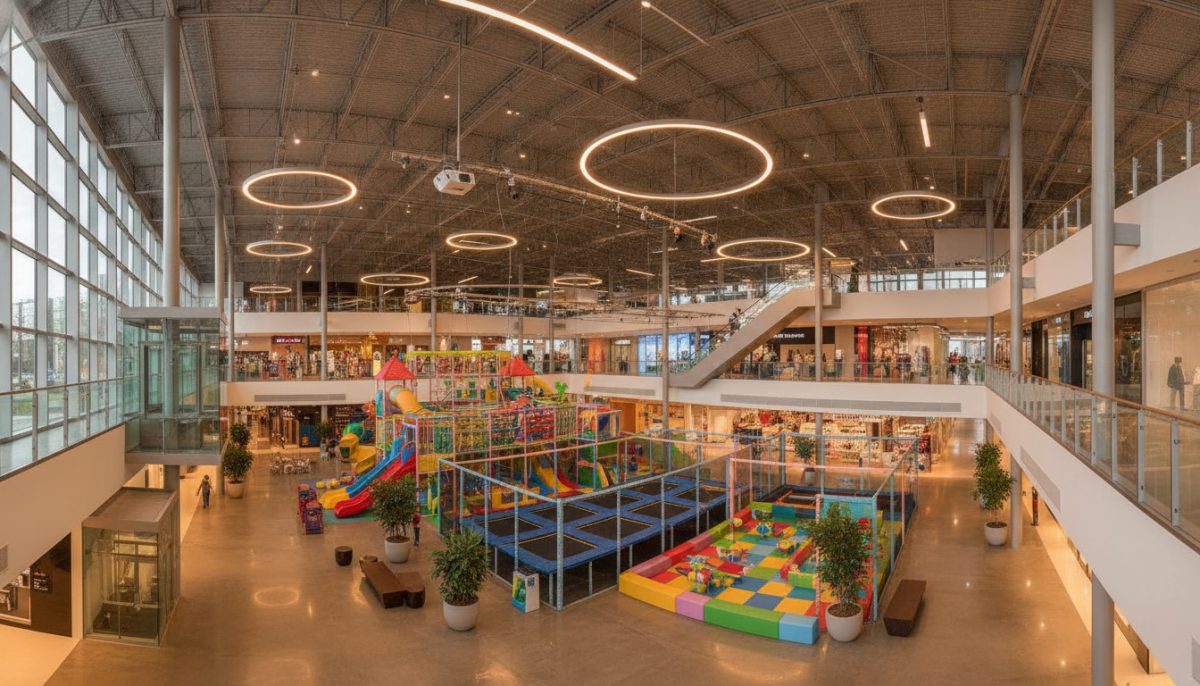
Indoor slide park Slick City leased a fourth-floor box at Palisades Center in West Nyack, NY, eyeing a late-2026 debut. In vertical malls, upper tiers can’t survive on casual foot traffic; they need experiential anchors that give families a reason to bypass the lower levels altogether.
Why it matters
- Vertical retail needs a magnet: Nobody wanders up to the fourth floor by accident. Entertainment tenants solve the hardest leasing puzzle in multi-level centers.
- Birthdays pay the weekday rent: Dedicated party rooms and group bookings smooth out cash flow between peak weekend rushes.
- Mind the slab and ceiling heights: Converting a standard retail box into dry launch chutes isn't plug-and-play—expect heavy structural and engineering diligence before signing.
Source: Hoodline
Premier Malls Charge More and Give Less
Malls · Retail Leasing
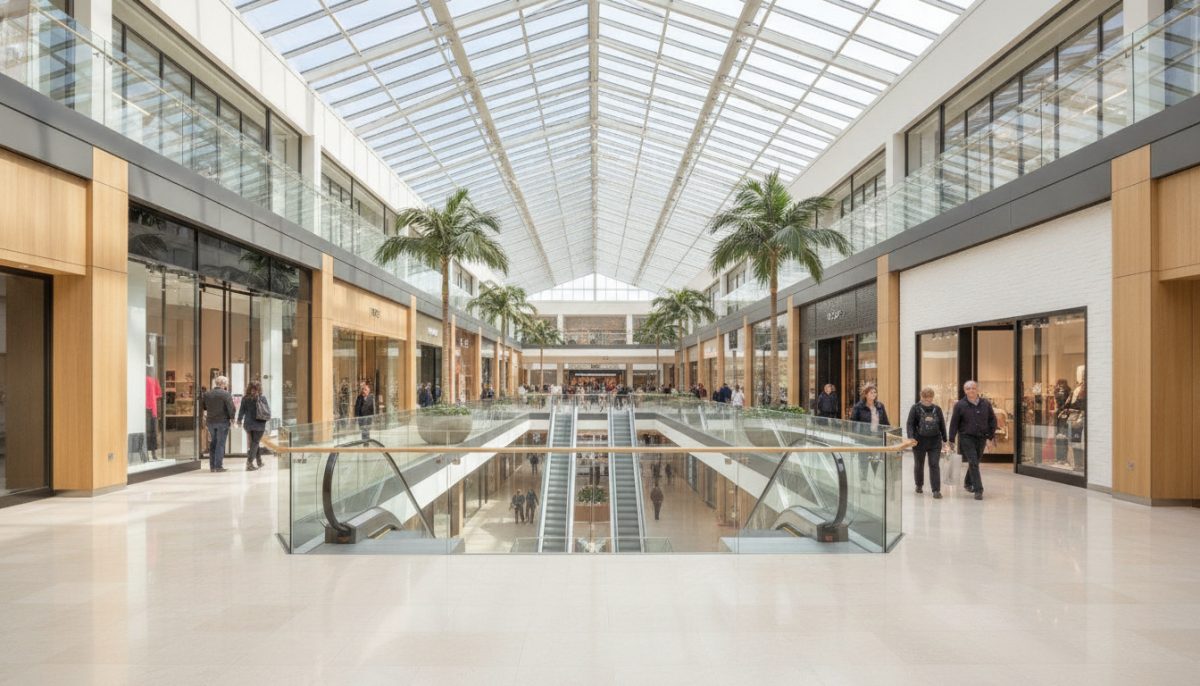
Simon Property Group bumped starting base rents up 17% while trimming tenant improvement (TI) allowances by 10% across 4.3 million square feet of new deals. Meanwhile, Macerich hit 96.1% occupancy with tenant sales reaching a record $943 per square foot. Top-tier landlords have their pricing power back, and expanding founders are footing more of the CapEx bill.
Why it matters
- Opening CapEx is shifting to brands: With TI dollars shrinking, founders and wellness operators need tighter unit economics and disciplined construction budgets before signing in Class-A centers.
- The mall market has split in two Premier centers command record rents and sales per square foot, while lower-tier properties struggle to backfill space without aggressive tenant allowances.
- Productivity dictates leverage: When tenants push nearly $1,000 a foot in sales, landlords don’t need to subsidize buildouts to keep spaces full.
Source: CRE Daily
Papa Gino’s Kitchens Give Wings Instant Scale
Restaurants · Acquisitions
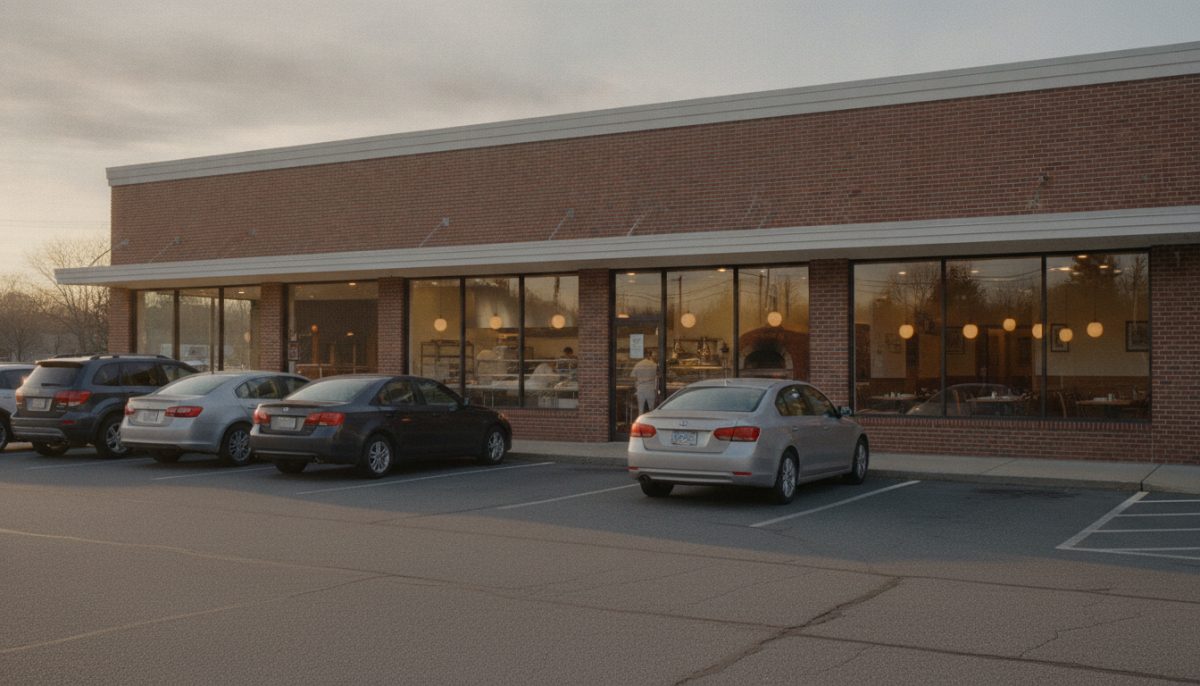
Restaurant platform Craveworthy Brands is acquiring Papa Gino’s parent company, immediately slotting its Wing It On concept into 70 operating New England kitchens. With construction costs and permitting timelines still punishing, smart operators are buying existing infrastructure instead of signing raw leases.
Why it matters
- Second-generation kitchens are gold: Acquiring 70 active boxes bypasses municipal permitting bottlenecks, hood-and-vent installs, and utility upgrades.
- Co-branding defends margins: Running two brands under one roof drives incremental revenue without adding a dime in rent or CAM charges.
- Throughput is the real test Layering a second brand into 70 existing kitchens only works if legacy cooklines can absorb extra ticket volume without slowing dinner service.
Source: Nation's Restaurant News
Nuveen Drops $445M on Open-Air Retail
INVESTMENT SALES • OPEN-AIR RETAIL
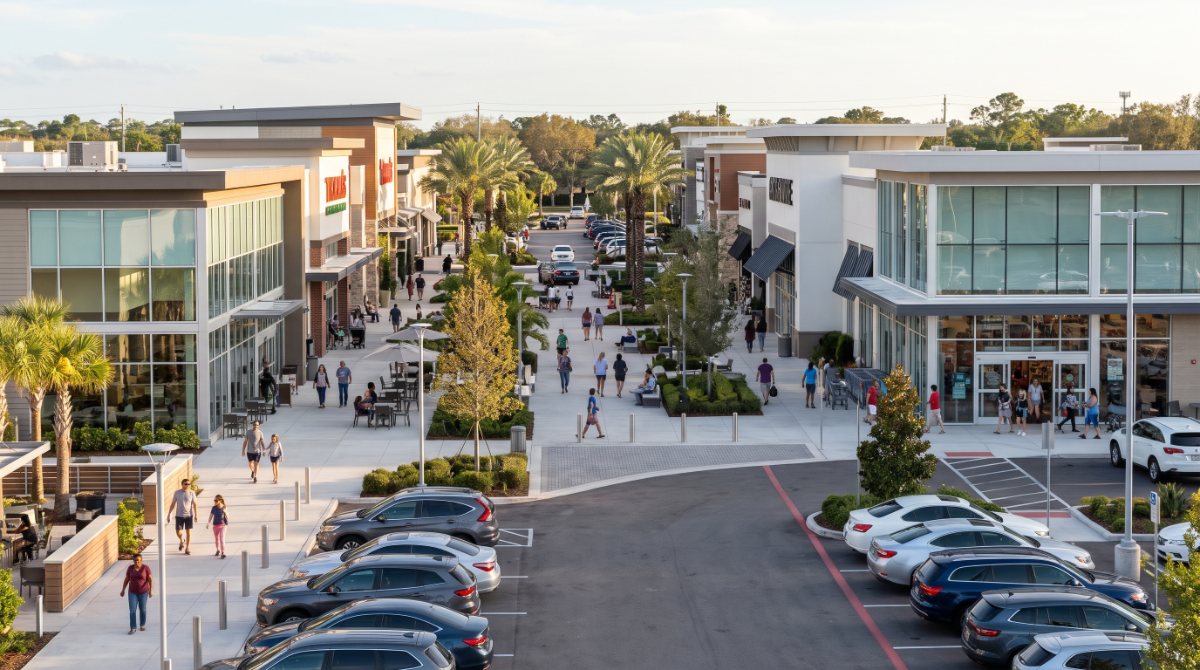
Nuveen acquired a 13-property, 1.89 million-square-foot retail portfolio in California, Colorado, and Washington for $445.5 million, backed by $239 million in financing. Anchored by Safeway, Sprouts, and T.J. Maxx at 93.5% occupancy, the acquisition proves institutional capital still prices grocery-anchored strip centers as prime credit assets.
Why it matters
- Institutional debt is wide open for grocery: Securing $239 million in bank financing proves commercial lenders are actively competing to finance stabilized, daily-needs retail portfolios.
- That 6.5% vacancy is the value-add play: Acquiring a 93.5%-occupied portfolio at roughly $236 a foot leaves roughly 123,000 square feet of immediate mark-to-market leasing upside in supply-constrained Western markets.
- Open-air necessity remains the consensus bet: Following Nuveen's separate $790 million necessity-retail joint venture last month, mega-funds are doubling down on grocery and off-price centers where online disruption is minimal.
Source: SHOPPING CENTER BUSINESS
Get the Retail Report every week. Subscribe at sabre.life/news.