This week. Slow building activity shields occupancy and lifts rent collections for current property owners. Institutional buyers are pouring hundreds of millions into suburban grocery strips and high-demand urban corridors. Expanding food and personal care brands keep taking prime spaces, bringing steady daily crowds to shopping centers.
FaceGym signs a retail lease at 110 Reade Street in Tribeca.
Wellness · Manhattan
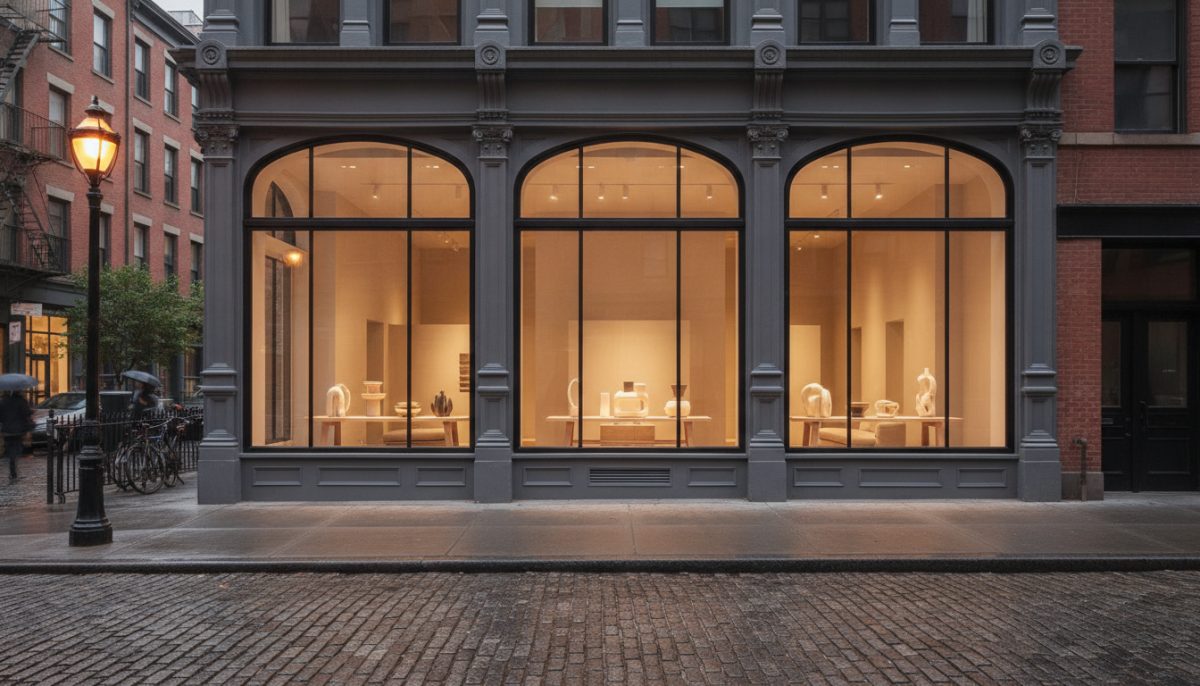
Facial fitness and skincare concept FaceGym secured a storefront at 110 Reade Street in Manhattan's Tribeca neighborhood. Platinum Commercial handled leasing for the property owner. The brand combines hands-on facial workouts with retail beauty products. Tribeca continues to attract personal wellness concepts that cater to high-income residents.
Why it matters
- Personal wellness concepts thrive in affluent enclaves. Tribeca residents demonstrate high discretionary spending for routine health and skincare services.
- Service retail is resistant to e-commerce. In-person fitness and beauty treatments guarantee customer foot traffic that internet sales cannot displace.
- Studios generate steady cross-shopping. Clients visiting weekly appointments support neighboring restaurants, cafes, and local shops.
- Small footprints lower real estate overhead. Compact studio sizes let specialized health operators expand into prime neighborhoods without heavy rent burdens.
Source: Commercial Observer
Landlords test Wynwood's pricing ceiling with a $76 million commercial sale.
Miami Sub-Market • Wynwood
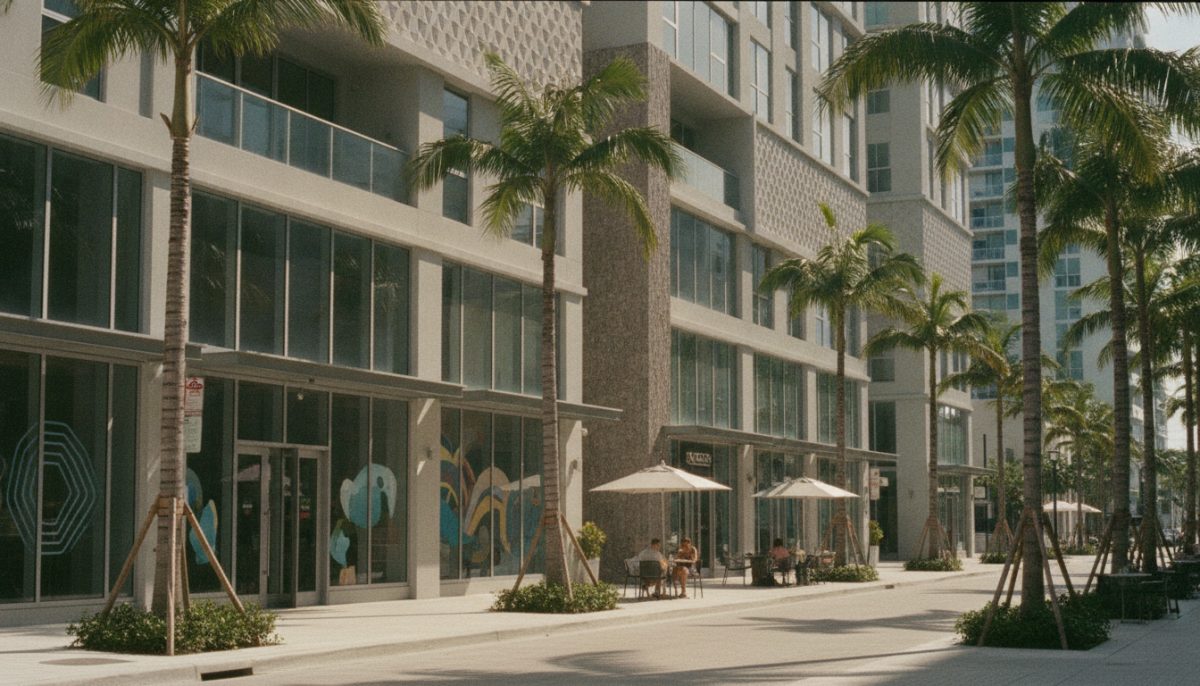
A joint venture listed 42,000 square feet of commercial space at Adam Neumann's Flow Wynwood. The owners want $76 million, pricing the block at $1,800 per square foot. DWNTWN Realty Advisors is marketing the 14 ground-floor suites along Northwest Second Avenue. National food chains and local restaurants fill 87 percent of the storefronts on long triple-net agreements. The listing arrives right after hedge fund billionaire Ken Griffin poured major cash into the surrounding blocks.
Why it matters
- Street retail rent climbed above one hundred dollars. In-place deals range from $100 to $150 per foot. Remaining vacant space asks $120.
- Long agreements lock in cash flow. Weighted average tenant terms top nine years. That gives buyers steady downside protection.
- Sellers want to capitalize on mega-deal hype. Ken Griffin bought neighboring parcels for huge projects. The owners hope his bets pull outside capital toward Wynwood.
- Parking adds a hidden revenue punch. The package includes 73 dedicated garage stalls. Raising monthly fees could yield $60,000 in fresh annual income.
Source: Yahoo Finance
Cooked meals outperform the fuel pump.
C-Stores · Lunch Traffic
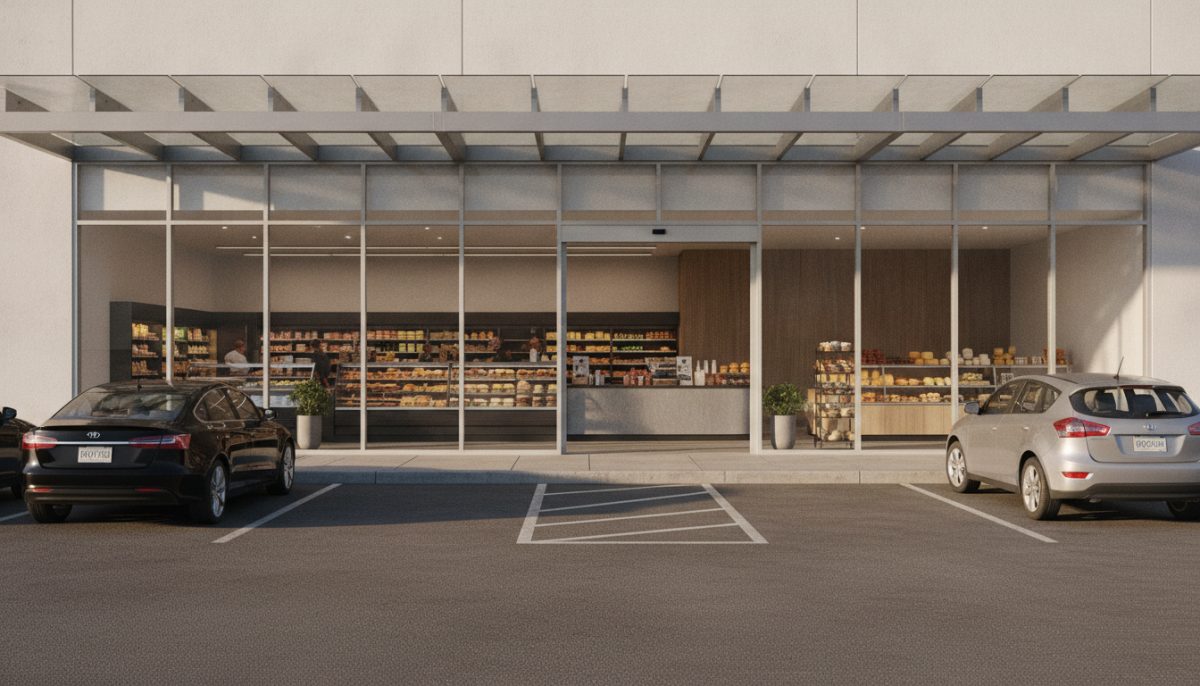
Regional operators grew foot traffic through August by winning the midday rush. A Placer.ai study showed spots with active kitchens lifted visits, while basic roadside plazas slipped. Costly gasoline prompted commuters to skip extra tank refills. Affordable menus gave drivers an incentive to pull off highways anyway.
Why it matters
- Lunch share anchors total volume. Chains where noon dining forms a large slice of daytime patronage saw clear gains. Buc-ee's proved that made-to-order entrees float an entire retail box.
- Petroleum is losing its pull. Circle K and 7-Eleven posted modest drops because motorists make fewer fueling stops. Brands cannot rely on petroleum alone to spur register tickets.
- Rising burger prices opened an opportunity. Expensive fast food pushed office workers toward cooler sections. A six-dollar sandwich easily beats a sixteen-dollar drive-thru order.
- Property layouts must adapt. Commercial kitchens demand ample parking and swift payment queues rather than standard minimart aisles. Landlords should favor tenants investing heavily in culinary infrastructure.
Source: GlobeSt
Krispy Kreme hands New York expansion to an existing operator.
Franchising · New York
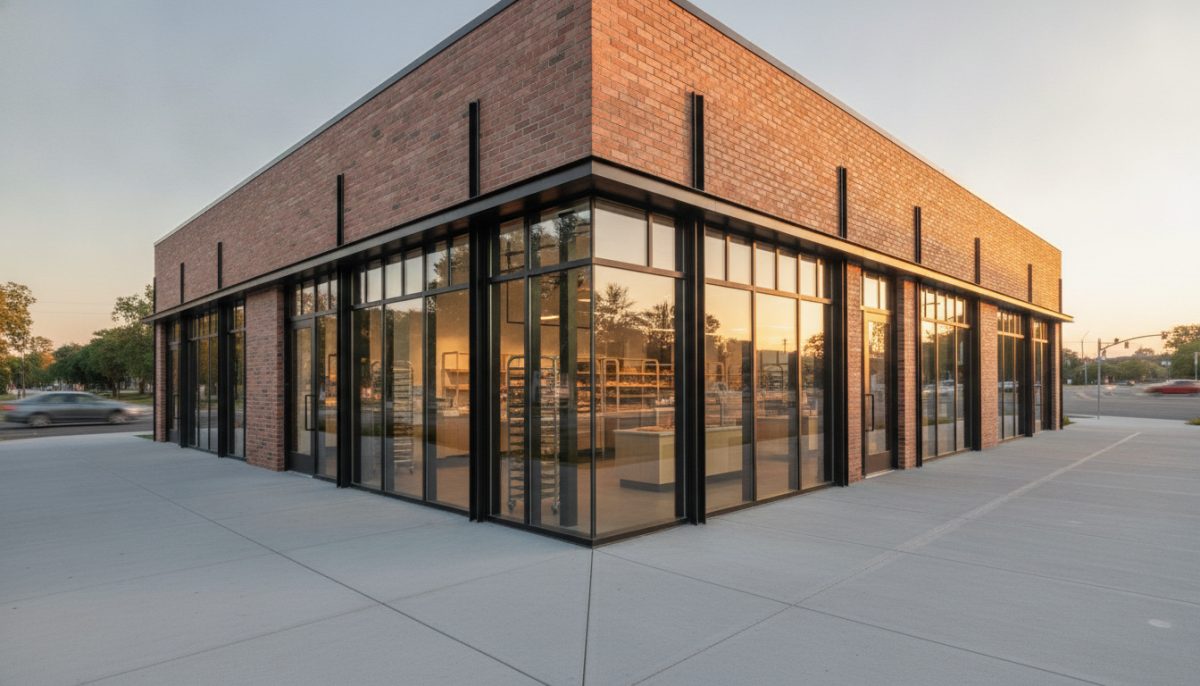
Krispy Kreme signed a franchise deal with Original Entrepreneurs LLC for 33 stores. The development covers New York City, Long Island, and New Jersey over five years. The franchisee already runs 12 shops across the region. Rather than build corporate stores, the chain is betting on an operator with local roots.
Why it matters
- Franchisors want local muscle. Corporate brands avoid construction risk by backing tested partners. Handing 33 sites to a team with 12 existing doors speeds up store openings.
- Suburban strips meet city street retail. The target area covers commuter suburbs and dense boroughs alike. Landlords with endcaps or transit-adjacent storefronts will see quick interest.
- Smaller footprints ease space searches. Recent leases for the brand run near 1,100 square feet. Modest floor plans fit into tight shopping strips where big boxes cannot fit.
- Morning visits help retail neighbors. Quick-service bakeries generate steady customer trips before noon. That customer volume helps nearby lunchtime spots and everyday service businesses.
Source: Shopping Center Business
Pension capital keeps buying everyday shopping strips.
Capital Markets · Open-Air Retail
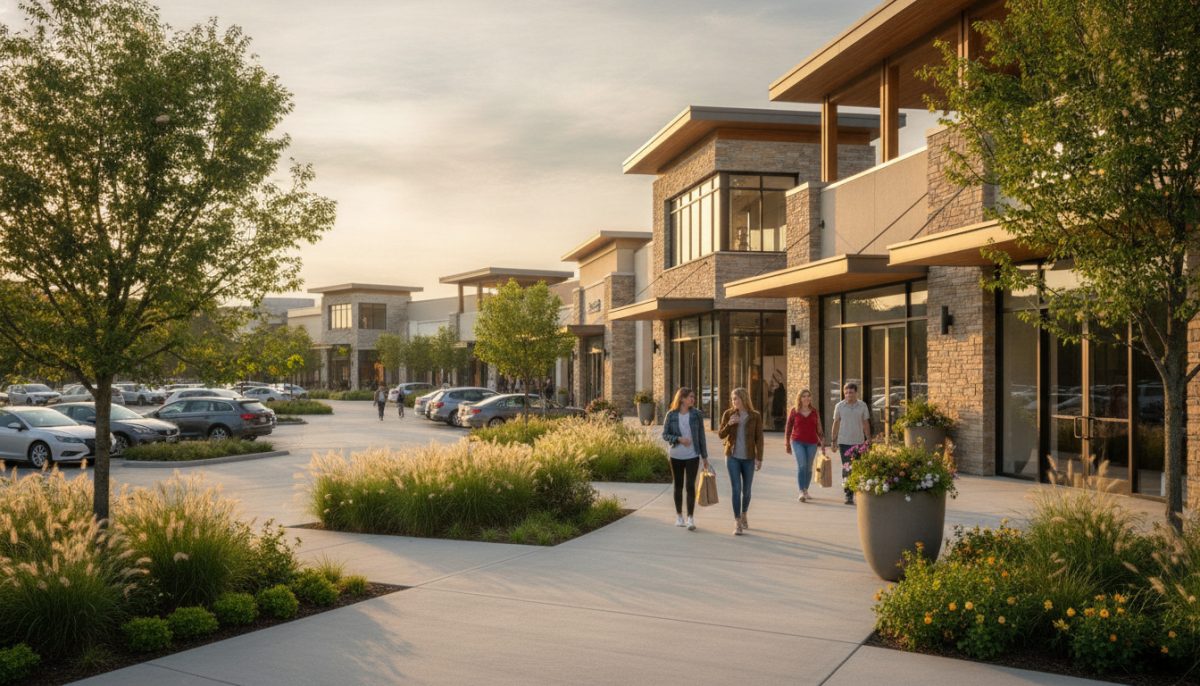
PSP Investments partnered with Nuveen Real Estate on a $790 million open-air venture. The team acquired 19 properties covering three million square feet across eight states. Purchases include grocery centers in Virginia and Arizona alongside two multi-property packages. Holdings span California, Colorado, Texas, Florida, and other growing regions. The push targets affluent suburbs where strict municipal zoning halts new building.
Why it matters
- Institutions want recurring foot traffic. Supermarkets and daily service shops bring visitors every single week. That constant customer volume supports reliable rent collection through changing market cycles.
- Tight supply protects existing landlords. Steep building costs prevent competitors from breaking ground. Property owners preserve pricing power as corporate tenants hunt for limited open storefronts.
- Bulk trades deliver instant scale. Rather than chasing solo assets, the platform purchased two large portfolios totaling 2.7 million square feet. The move secured immediate presence across major commercial corridors.
- Affluent commuter hubs drive sales. Holdings sit in wealthy submarkets like Phoenix and suburban Washington, D.C. High household earnings give strip center merchants dependable local spending.
Source: citybiz
Udon Shin grabs a turn-key Flatiron kitchen for its New York debut.
Manhattan • Second Generation Spaces
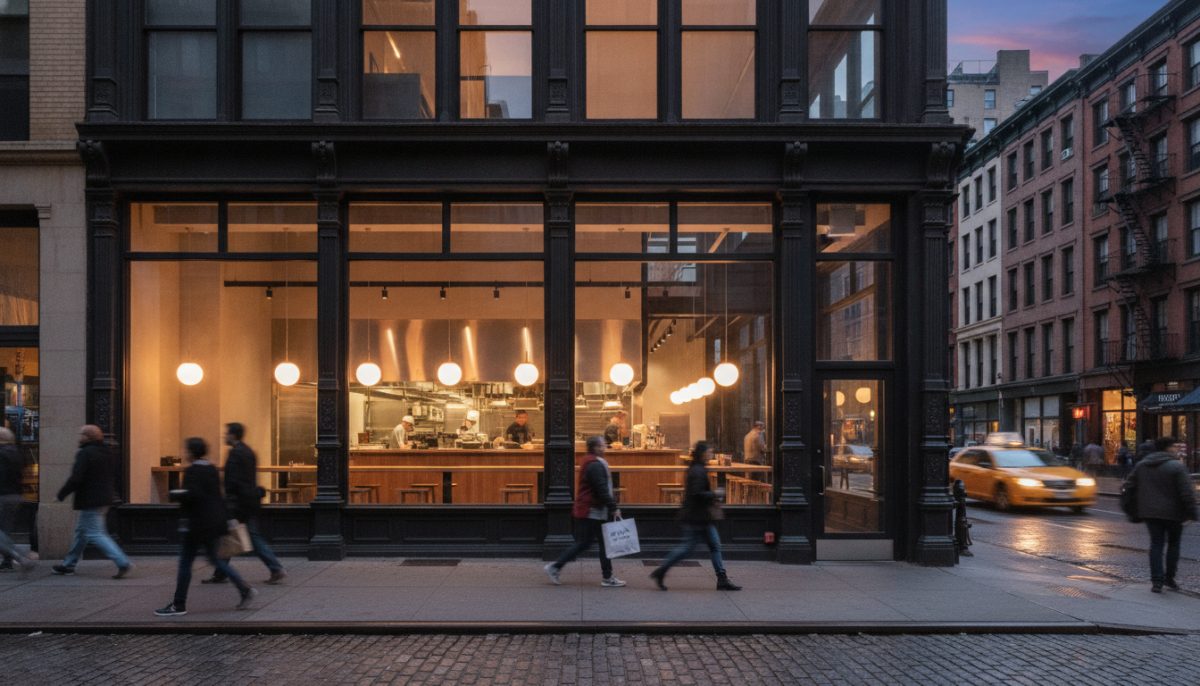
Tokyo noodle brand Udon Shin signed a 10-year lease at 37 West 17th Street. The 2,500-square-foot space previously held Basta Pasta. Asking rent was $30,000 a month. The Moinian Group owns the seven-story Flatiron property. This deal marks the Japanese brand's first New York location after opening in Arizona.
Why it matters
- Second-gen restaurant space cuts buildout risk. Basta Pasta left behind venting, gas lines, and plumbing. Taking over existing equipment saves months of city utility permits.
- Foreign food brands still prize Manhattan. Global operators treat New York outposts as brand builders. Big crowds in Arizona gave ownership the green light to take on Manhattan rent.
- Flatiron side streets keep their pricing power. The block connects Union Square foot traffic with Midtown South office workers. Strong dinner volume helps operators carry $144 per square foot.
- Landlords want tenants that draw their own crowds. The Moinian Group locked down $360,000 in annual rent. Destination food concepts pull steady foot traffic without relying on neighbors.
Source: Commercial Observer
A dry building pipeline protects current retail owners.
Development · National

Builders broke ground on only 7.7 million square feet last quarter, according to CoStar. Total commercial footage underway sits at 58.3 million nationwide. High financing rates hold new developments back. That building drought shields occupancy and lifts rent rolls for standing properties.
Why it matters
- Current landlords win on pricing. Tenants cannot walk away when nobody is delivering alternative boxes.
- Second-generation turnkeys gain value. Expanding operators will bid on vacant storefronts instead of waiting on fresh dirt.
- Texas claims the lion's share. Dallas, Houston, and Austin take nearly 27 percent of all commercial activity.
- Tight market conditions run through 2027. Weak starts today guarantee low availability for years ahead.
Source: CoStar Analytics
Get the Retail Report every week. Subscribe at sabre.life/news.